


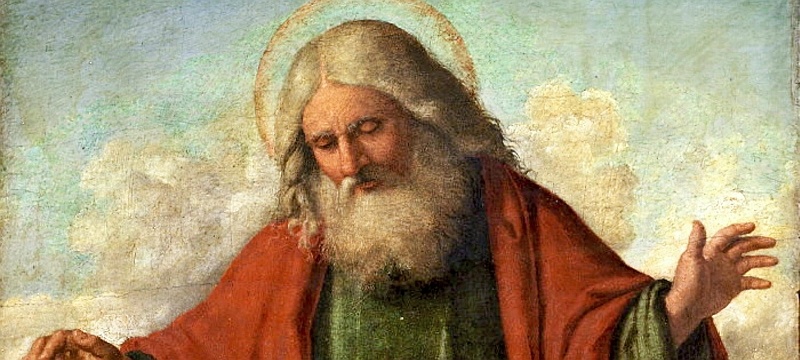
The moment the word God is mentioned, especially in Africa, many people just shut their minds and nod in agreement to whatever they have grown up being indoctrinated with. But if we were to stop at that and ask ourselves, what does this word really mean, and where did it come from?
The English word God does not derive from ancient revelation. It comes from a Germanic root (ǥuđan), probably from a Proto‑Indo‑European root meaning “to invoke” or “to call upon” a deity invoked in ritual, not a specific supreme being. In English and many languages, God became a translation for whatever the dominant religion called its supreme deity.
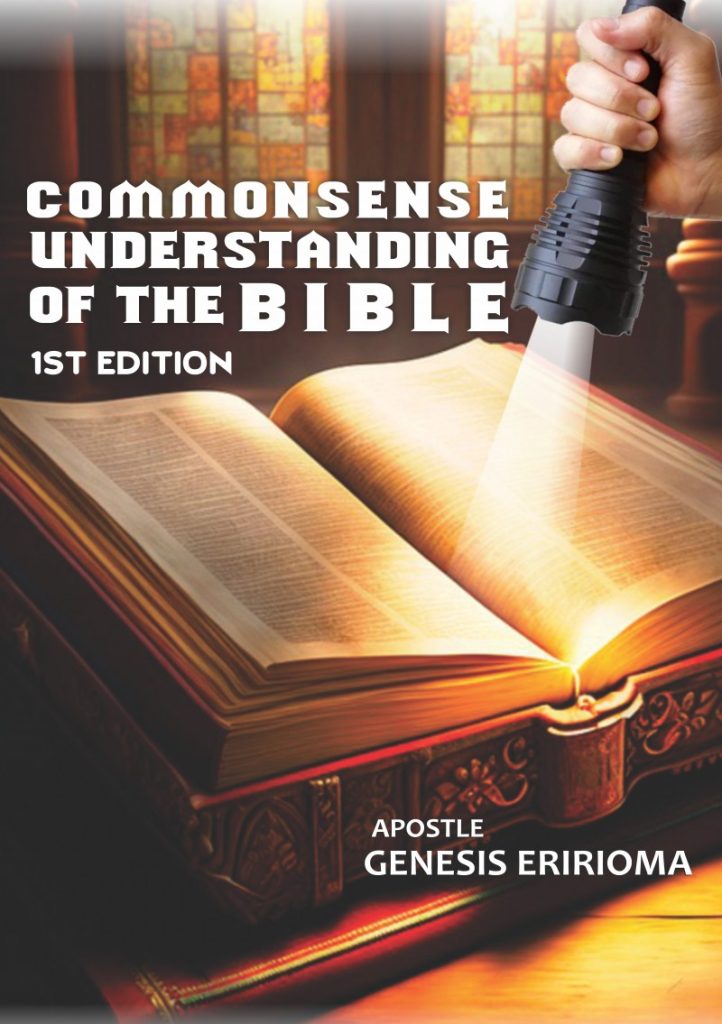
Click Get Commonsense Understanding of the Bible and learn more about the Origin of God on Selar
Click Image below to Buy on Amazon
In the older Semitic linguistic families of the Middle East, other names were used. The name Yahweh-or, as it was more easily written, the tetragrammaton YHWH-appears in ancient Hebrew texts as the personal name of the deity worshipped by the Israelites. Most scholars think this name comes from roots meaning “to be” or “to exist,” but the exact origin remains debated and is likely local to Israelite religion.

Allah, by contrast, is the Arabic form of “the god,” from al‑ilāh (“the deity”), was in use in pre‑Islamic Arabia in referring to a chief god, before becoming the current standard name for the supreme deity in Islam. Cognates, such as Elah, appear in Aramaic and Hebrew, demonstrating that this was a common Semitic term for a divine being. Because these names originate from different linguistic and cultural backgrounds, it is not a right attitude to consider them merely the same name in different languages or that some sort of title like “Allah” was the universal name of a supreme deity long before these traditions developed. Rather, each of those names reflects the way distinct communities sought to understand and name what they perceived as ultimate reality. True critical thinking invites us to ask not only who we worship but why we use the words we do, and what assumptions lie behind them, rather than simply inheriting them unexamined.






One response to “The Truth About God”
Great piece. Keep it up