

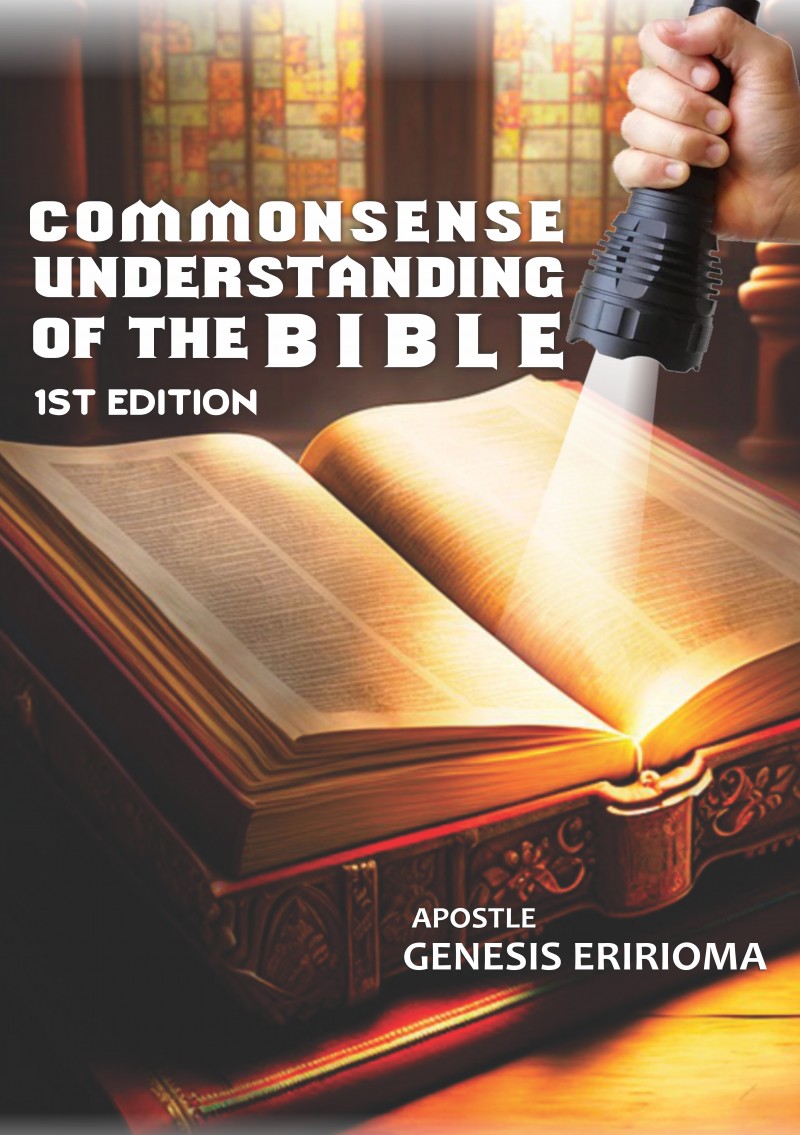
Description
Commonsense Understanding of the Bible: Myths, History, and Theological Fabrications
For centuries, the Bible has been regarded as divine truth. But what if its most famous stories—Adam and Eve, Noah’s Ark, Moses, and Jesus’ resurrection—were borrowed from older myths? What if Christian persecution, miracles, and the concepts of Heaven and Hell were fabricated to establish religious authority?
Commonsense Understanding of the Bible takes a bold, evidence-based approach to scripture, exposing its mythological origins, historical contradictions, and theological manipulations. Through archaeology, comparative mythology, and textual analysis, this book challenges traditional beliefs and reveals how biblical narratives evolved over time.
Read: The Truth About God
What You’ll Discover:
✔ Biblical Myths and Their Ancient Parallels – The Garden of Eden, Noah’s Flood, and Jesus’ resurrection share striking similarities with older Mesopotamian, Egyptian, and Greek myths.
✔ The Fabrication of Christian Persecution – Historical records reveal that Roman persecution of early Christians was exaggerated or invented to create a martyrdom narrative.
✔ The Fraud of Miracles and Faith Healing – Supernatural claims collapse under scientific and historical scrutiny, while modern faith healers use psychological manipulation to deceive followers.
✔ The Truth About Tithes and Offerings – Originally a food tax in ancient Israel, tithing became a monetary scheme reinforced by a fabricated Abraham-Melchizedek story.
✔ Heaven and Hell: Myths of the Afterlife – Christian beliefs about Heaven and Hell were borrowed from Greek, Persian, and Jewish traditions, proving they were later theological inventions.
✔ The Tower of Babel & Linguistic Evolution – The Bible’s claim that all languages originated from Babel is refuted by historical linguistics and Mesopotamian myths.
✔ The Rapture & Resurrection: Theological Inventions – The Rapture did not exist before the 19th century, while Jesus’ resurrection has clear parallels with pagan dying-and-rising gods.
Who Should Read This Book?
🔹 Skeptics & Truth-Seekers questioning religious narratives.
🔹 Ex-Christians & Critical Thinkers exploring the Bible’s historical context.
🔹 Students of History, Religion & Mythology analyzing religious evolution.
🔹 Anyone Curious About the Real Origins of the Bible.
Final Thoughts
The Bible is often seen as sacred, but history and reason tell a different story. Many of its teachings were borrowed, manipulated, or fabricated to serve religious agendas.
Commonsense Understanding of the Bible is a must-read for anyone ready to challenge religious dogma and explore the true history of the world’s most influential book.
Reviews
There are no reviews yet.