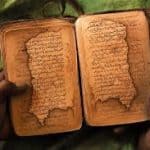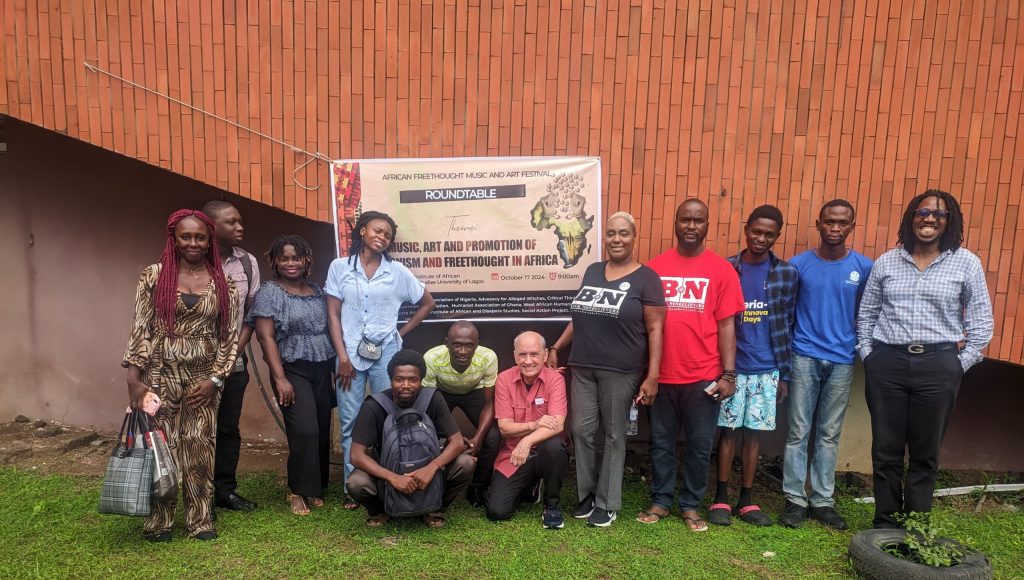


Reclaiming Africa’s Lost Truths: Before the canvas of African history was painted over by external brushes, Africa was a continent thriving on deeply entrenched, sophisticated systems of understanding. From the advanced mathematical principles embedded in the design of ancient settlements to the complex botanical knowledge used in traditional medicine, Africa did not lack insight. Today, however, we face a profound dearth of knowledge a collective amnesia that began when traditional African knowledge systems were systematically dismantled by Western sentiments, introduced primarily through foreign religion and alien political structures.
To chart a way forward, we must first understand how this wealth was lost, and why a conscious reawakening of our indigenous knowledge systems is the only path to a sustainable African future.
The Two-Pronged Assault: Religion and Politics
The erosion of African knowledge did not happen by accident; it was a deliberate byproduct of colonial expansion, driven by two powerful vehicles:
- The Weaponisation of Religion: Foreign religions did not merely introduce new ways of worship; they actively demonised existing African epistemologies. Traditional medicine was branded as witchcraft, oral histories were dismissed as myths, and indigenous philosophies on morality, community, and the universe were labeled as paganism. By convincing Africans that their ancestral knowledge was inherently evil, the colonial apparatus successfully severed generations from their cultural intellectual base.
- The Destruction of Traditional Political Institutions: Before foreign intervention, African societies operated under nuanced governance systems such as decentralized councils, age-grade systems, and constitutional monarchies that prioritized communal balance and accountability. These institutions were abruptly replaced by rigid, centralized colonial administrative systems. This shift did not just change how people were governed; it destroyed the traditional institutions that served as the custodians of law, conflict resolution, and historical preservation.
Read also:Nigeria’s Redemption: Beyond the Pew and the Pulpit
The Consequence: A Miseducated Continent
When you replace a people’s organic knowledge with an imported framework, you create a state of intellectual dependency. Modern African education systems still heavily mirror colonial structures, teaching African children to look outward for solutions.
We learn Western philosophy, adopt Western legal codes, and study Western economic models, often finding ourselves poorly equipped to solve uniquely African problems. The dearth of knowledge is not an absence of schooling; it is the absence of self-knowledge.
The Way Forward: A Reawakening of Knowledge Systems
Rebuilding the continent requires more than just political or economic reforms; it demands an intellectual renaissance. We must actively work to revive and integrate our indigenous knowledge systems into the modern world.
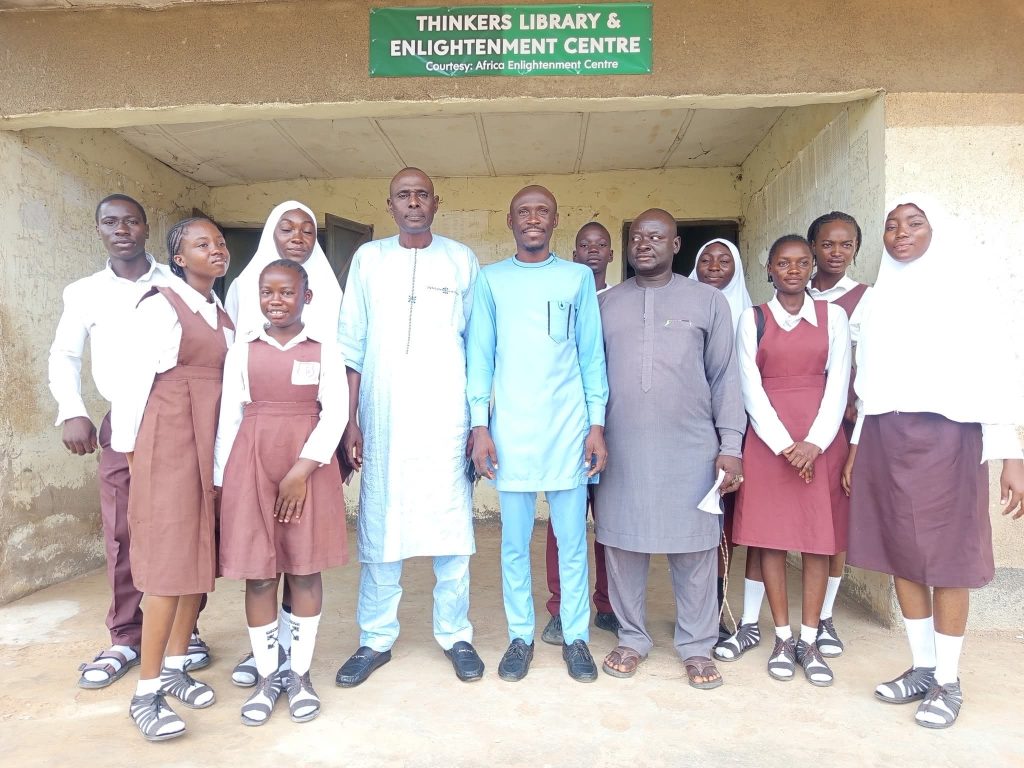
- Decolonising the Curriculum: History, science, and literature in African schools must be rewritten to highlight indigenous contributions. Students should learn about African architectural engineering, traditional agricultural practices that resist climate change, and ancestral philosophies like Ubuntu.
- Validating Indigenous Sciences: Rather than dismissing traditional medicine and ecology, African scientists and researchers should study, document, and standardize these practices to solve contemporary health and environmental challenges.
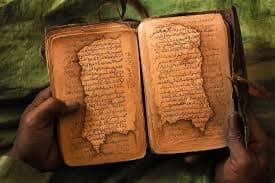
- Preserving Oral Traditions: We must leverage digital technology to document the wisdom of our elders, oral historians, and keepers of culture before they pass away, ensuring this knowledge is accessible to future generations.
- Reimagining Governance: Modern African governance can look to traditional institutions for inspiration, blending communal accountability and consensus-building with contemporary democratic tools.
Conclusion
The path to Africa’s true independence does not lie in copying Western blueprints, but in looking inward. Acknowledge the gap, bridge the divide, and actively participate in the restoration of our heritage. Africa’s future belongs to those who can remember who they were before they were told who they should be.